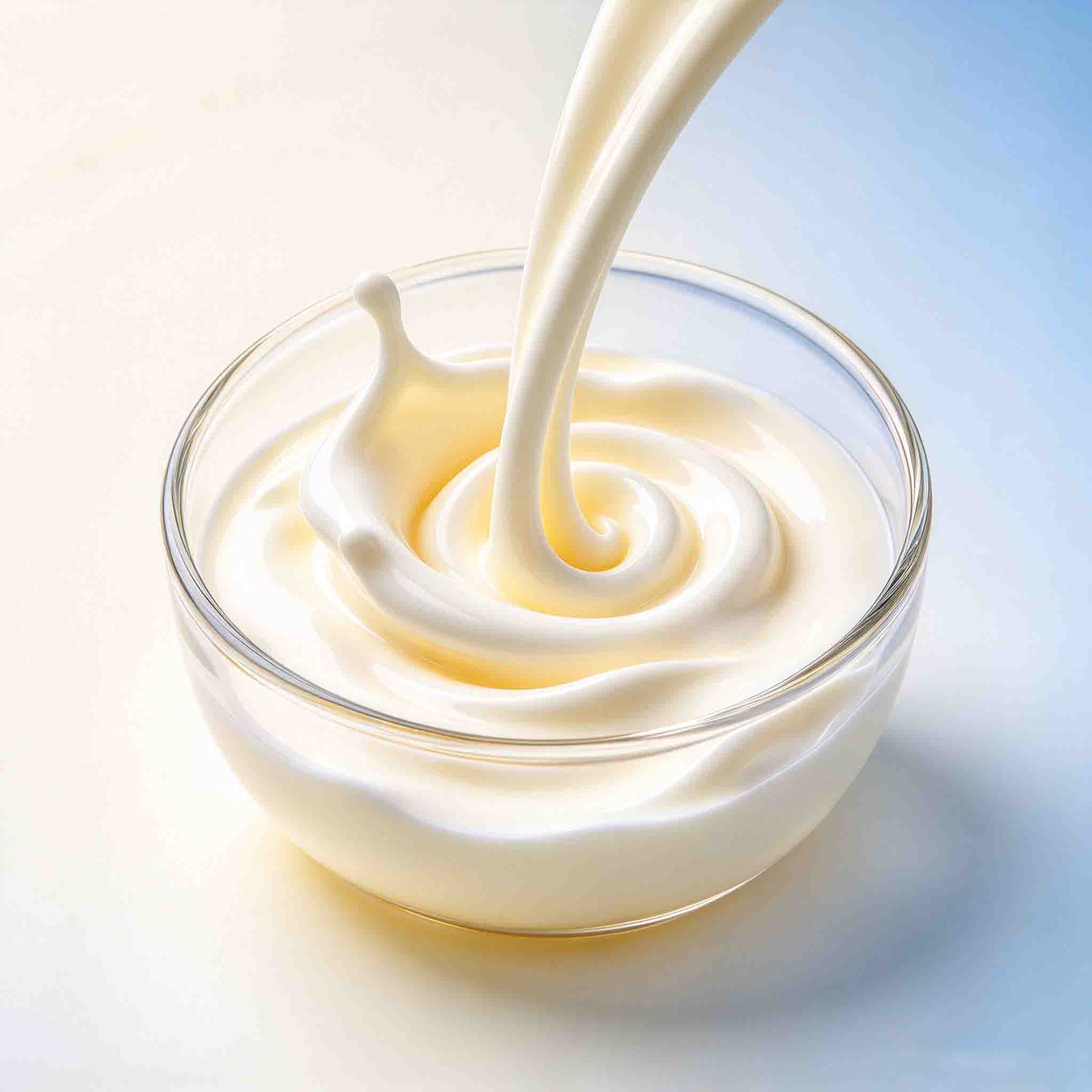
D-Alpha Tocopheryl Acetate is an esterified form of natural vitamin E, widely used in dietary supplements, fortified foods, nutritional products, and animal nutrition.
Why is vitamin E converted into an acetate form?
The answer is stability. Compared with free alpha-tocopherol, esterified vitamin E is less susceptible to oxidation, making D-alpha tocopheryl acetate a practical choice for formulations where shelf life, stability, and consistent vitamin E content are important.
🧪 What Is D-Alpha Tocopheryl Acetate?
D-alpha tocopheryl acetate is the acetate ester of natural RRR-alpha-tocopherol.
The terms can be confusing:
🌿 D-alpha Tocopherol → free-form natural alpha-tocopherol
🌿 D-alpha Tocopheryl Acetate → acetate ester of natural alpha-tocopherol
🌿 Mixed Tocopherols → a mixture of different tocopherol homologues
Natural vitamin E is commonly identified as d-alpha-tocopherol, while its acetate ester is used when greater formulation stability is desired.
👉 [View D-Alpha Tocopheryl Acetate Product Page]
🛡️ Why Use the Acetate Form?
One of the main advantages of D-alpha tocopheryl acetate is its improved stability compared with free alpha-tocopherol.
This makes it useful for products that may be exposed to:
🔥 Heat
💡 Light
🌬️ Oxygen
📦 Long storage periods
Once consumed, vitamin E acetate can be hydrolyzed to alpha-tocopherol and absorbed. The NIH notes that alpha-tocopherol in supplements and fortified foods is often esterified to improve shelf life while maintaining its nutritional use.
💊 D-Alpha Tocopheryl Acetate in Dietary Supplements
Dietary supplements are one of the most common applications for this ingredient.
It can be used in:
💊 Softgels
💊 Capsules
🌿 Multivitamins
🧴 Oil-based formulations
🥄 Nutritional products
For manufacturers, the acetate form offers a combination of:
✔️ Natural-source alpha-tocopherol
✔️ Improved stability
✔️ Convenient formulation
✔️ Vitamin E fortification
D-alpha tocopheryl acetate is also recognized as a vitamin E ingredient used in nutrient supplementation.
🥗 Applications in Food & Nutritional Products
D-alpha tocopheryl acetate can also be incorporated into fortified food and nutritional formulations.
Potential applications include:
🥣 Fortified foods
🥤 Nutritional products
🧃 Food supplements
🍫 Functional foods
🫒 Oil-based formulations
The exact suitability depends on the product matrix, dosage, processing conditions, and applicable regulations.
🌿 Natural Vitamin E: Why Does the "D" Matter?
When comparing vitamin E ingredients, D-alpha and DL-alpha should not be treated as the same material.
D-alpha-tocopherol refers to the naturally occurring RRR form, while DL-alpha-tocopherol generally refers to synthetic all-rac alpha-tocopherol.
The same distinction applies to their acetate forms:
🌿 D-alpha Tocopheryl Acetate → natural RRR form
🧪 DL-alpha Tocopheryl Acetate → synthetic all-rac form
The natural and synthetic forms also have different vitamin E activity values when expressed in IU.
⚗️ D-Alpha Tocopherol vs. D-Alpha Tocopheryl Acetate
These two ingredients are closely related but have different formulation characteristics.
| Feature | D-Alpha Tocopherol | D-Alpha Tocopheryl Acetate |
|---|
| 🌿 Source | Natural | Natural |
| 🧬 Form | Free alpha-tocopherol | Acetate ester |
| 🛡️ Stability | More sensitive to oxidation | More stable |
| 💊 Supplement use | Yes | Yes |
| 🥗 Food applications | Yes | Yes |
| 📦 Long-term formulation | More formulation-sensitive | Often preferred where stability is important |
👉 If your formulation requires free natural alpha-tocopherol, see [D-Alpha Tocopherol].
👉 If stability is a key consideration, D-Alpha Tocopheryl Acetate may be the more suitable form.
🌿 D-Alpha Tocopheryl Acetate vs. Mixed Tocopherols
These products also serve different formulation purposes.
D-alpha tocopheryl acetate provides a specific natural alpha-tocopherol form in a stabilized ester.
Mixed tocopherols, on the other hand, contain multiple tocopherol homologues such as alpha-, beta-, gamma-, and delta-tocopherols.
| D-Alpha Tocopheryl Acetate | Mixed Tocopherols |
|---|
| 🎯 Main focus | Alpha-tocopherol | Multiple tocopherols |
| 🌿 Natural-source option | Yes | Yes |
| 🛡️ Stabilized ester | Yes | Product dependent |
| 💊 Vitamin E supplementation | Common | Common |
| 🥗 Food applications | Yes | Yes |
👉 Looking for a combination of tocopherols? Explore [Mixed Tocopherols Concentrate].
🐾 Applications Beyond Human Nutrition
D-alpha tocopheryl acetate can also be considered for animal nutrition applications.
Potential areas include:
🐶 Pet nutrition
🐱 Pet food
🐔 Feed formulations
🐄 Animal nutrition products
The appropriate grade and dosage depend on the intended species, formulation, and local regulatory requirements.
📦 D-Alpha Tocopheryl Acetate Supplier
Khonor Chemicals supplies vitamin E and other nutritional raw materials for food, dietary supplements, nutraceuticals, feed, and related applications.
Our vitamin E portfolio includes:
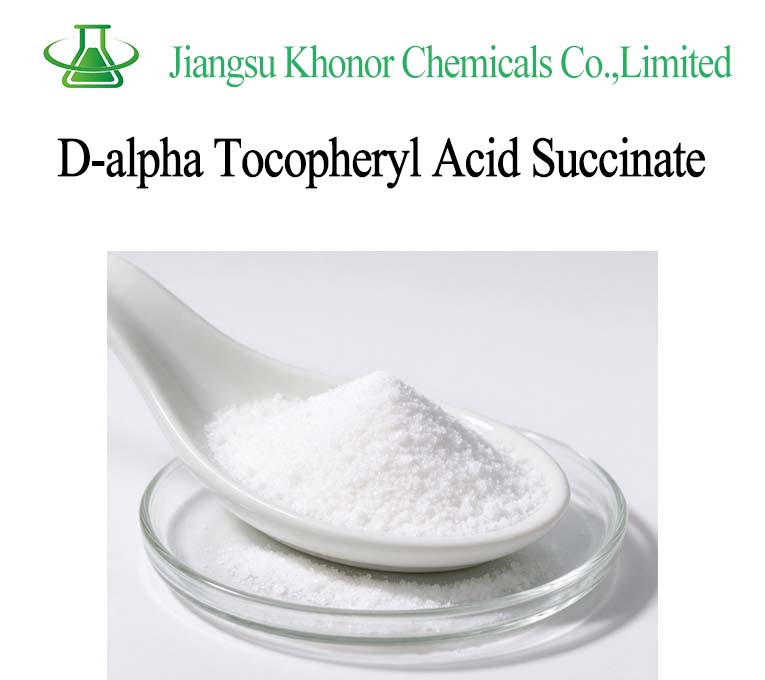
🌿 D-alpha Tocopheryl Acid Succinate
👉 [View Product Page]
🌿 D-Alpha Tocopherol
👉 [View Product Page]
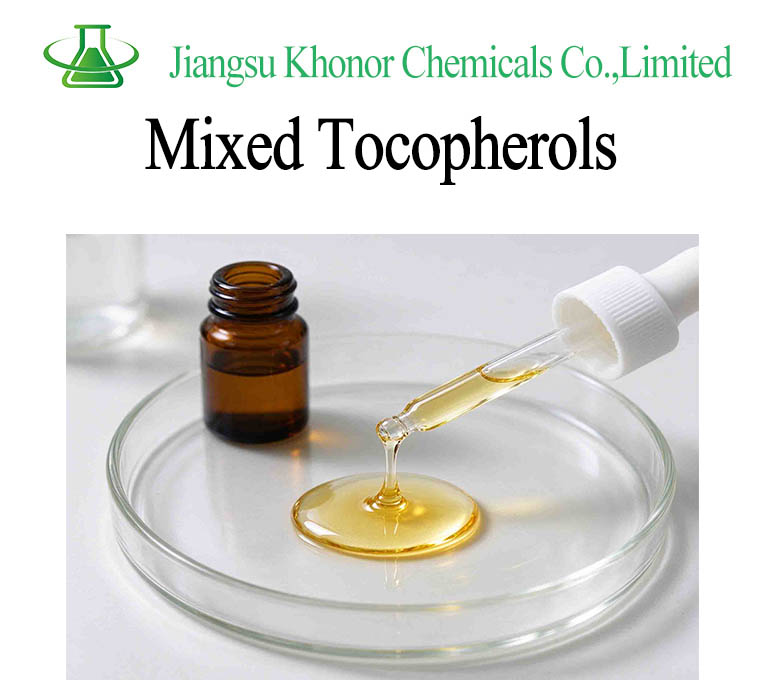
🌿 Mixed Tocopherols Concentrate
👉 [View Product Page]
Technical documents such as COA, TDS, SDS/MSDS and product specifications can be provided according to the product.
💡 Which Vitamin E Form Should You Choose?
The choice depends on what your formulation needs:
🌿 D-Alpha Tocopherol
For formulations requiring free-form natural alpha-tocopherol.
🛡️ D-Alpha Tocopheryl Acetate
For formulations where natural alpha-tocopherol and improved stability are important.
🌱 Mixed Tocopherols Concentrate
For applications requiring a combination of different tocopherol homologues.
The right choice depends on the target vitamin E level, formulation, processing conditions, stability requirements, and regulatory market.
📩 Looking for D-Alpha Tocopheryl Acetate?
Developing a vitamin E supplement, fortified food, nutraceutical, or animal nutrition product?
Contact Us Today for a Quote & Free Sample!
✉️ Email: jane@khonorchem.com
📞 Tel / WhatsApp / WeChat: 86-19851890163
🌍 WhatsApp: https://wa.me/8619851890163
 English

 Spain
 ruso
 Portuguese
 italiano
 Arabic
 French
 Korean
 German
 Turkish
 Vietnamese
 Indonesian
 Dutch
 Polish
 Far
 Thai


 0086-19851890163
 jane@khonorchem.com
 Rm 1902 Easey Comm Bldg, 253-261, Hennessy RD Wanchai HK