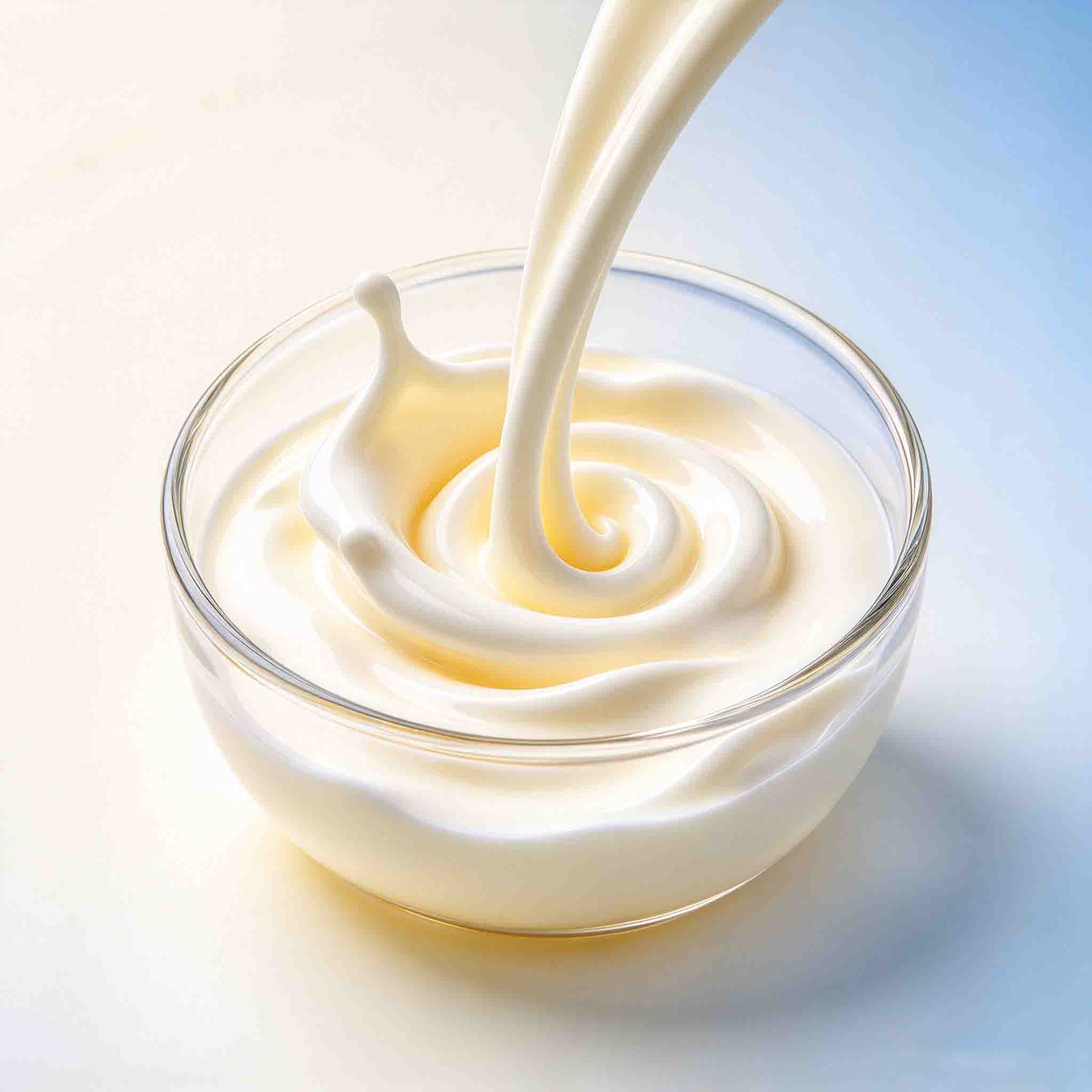
When manufacturers talk about natural vitamin E, D-alpha tocopherol is one of the most important forms to understand.
Used in dietary supplements, functional foods, nutritional products, and animal nutrition, D-alpha tocopherol offers a concentrated source of naturally sourced vitamin E for formulations where a specific alpha-tocopherol form is preferred.
But what makes D-alpha tocopherol different from other vitamin E ingredients? And when should formulators choose it instead of mixed tocopherols?
Let's take a closer look. 👇
🧬 What Is D-Alpha Tocopherol?
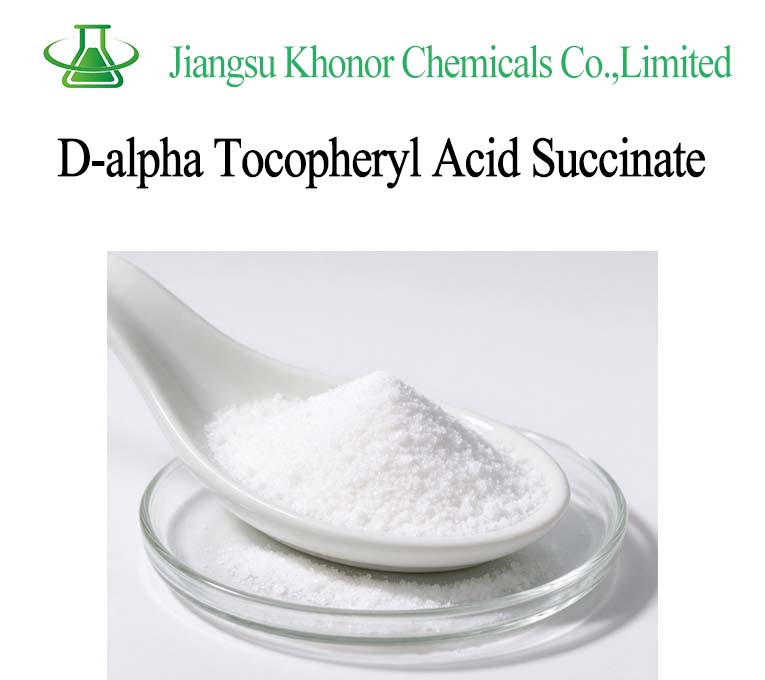
D-alpha tocopherol is the naturally occurring form of alpha-tocopherol, one of the major members of the vitamin E family.
It is commonly obtained from natural vegetable oil sources and used as a vitamin E ingredient in nutritional formulations.
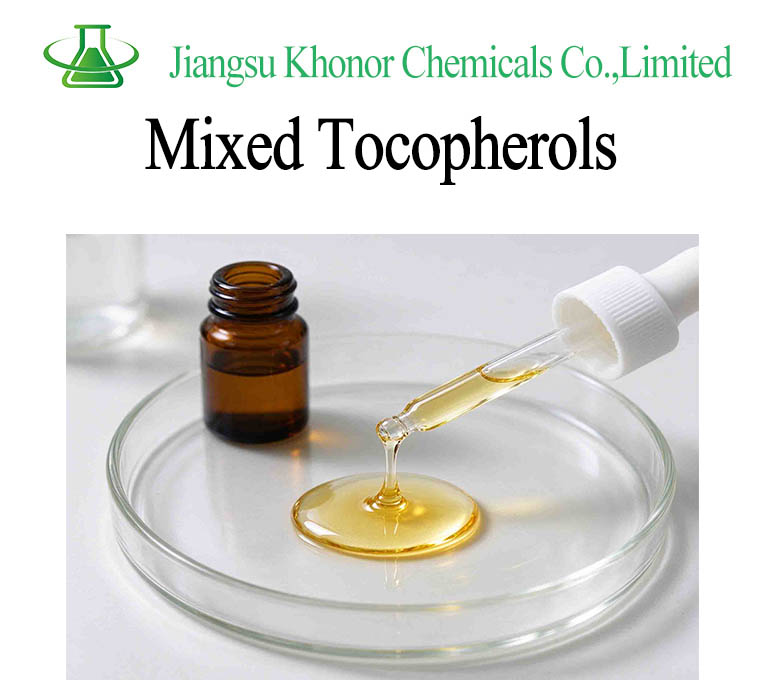
Unlike Mixed Tocopherols Concentrate, which contains several tocopherol homologues, D-alpha tocopherol focuses specifically on the alpha form.
👉 [Explore D-Alpha Tocopherol]
💊 D-Alpha Tocopherol in Dietary Supplements
Dietary supplements are one of the major applications for D-alpha tocopherol.
It can be incorporated into:
💊 Softgels
💊 Capsules
🥄 Powder formulations
🌿 Multivitamin products
🧴 Oil-based nutritional products
For supplement manufacturers, D-alpha tocopherol can be selected when the formulation calls for a natural-source vitamin E ingredient with a defined alpha-tocopherol profile.
The final dosage depends on the vitamin E specification and the requirements of the finished product.
🥗 D-Alpha Tocopherol in Food & Nutritional Products
Vitamin E is also used in a variety of fortified foods and nutritional products.
Potential applications include:
🥣 Nutritional foods
🥤 Functional beverages
🍫 Fortified foods
🥛 Nutritional formulations
🫒 Oil-based products
For these applications, formulators need to consider factors such as solubility, concentration, stability, dosage, and compatibility with the food matrix.
🌿 Natural Vitamin E vs. Synthetic Vitamin E
One of the most important considerations when selecting a vitamin E ingredient is its source and chemical form.
Natural vitamin E is commonly associated with d-alpha-tocopherol, while synthetic vitamin E is generally supplied as a mixture of stereoisomers.
For manufacturers developing products positioned around natural ingredients, this distinction can be important for both formulation and product labeling.
📌 Always check the supplier's specification and documentation to confirm the source, form, and concentration of the ingredient.
⚗️ D-Alpha Tocopherol vs. Mixed Tocopherols
D-alpha tocopherol and mixed tocopherols are both vitamin E ingredients, but they are not interchangeable in every formulation.
| Feature | D-Alpha Tocopherol | Mixed Tocopherols |
|---|
| 🧬 Main component | Alpha-tocopherol | Multiple tocopherols |
| 🌿 Natural-source options | Yes | Yes |
| 💊 Vitamin E supplementation | Common | Common |
| 🥗 Food applications | Yes | Yes |
| 🛡️ Antioxidant applications | Yes | Yes |
| 🎯 Specific alpha-tocopherol formulation | Suitable | Not the primary purpose |
If the formulation requires a specific alpha-tocopherol ingredient, D-alpha tocopherol may be the more relevant option.
If the formulation is designed around a combination of tocopherols, [Mixed Tocopherols Concentrate] may be worth considering.
🔍 What Should You Check When Buying D-Alpha Tocopherol?
For manufacturers, comparing vitamin E ingredients by product name alone is not enough.
Important specifications may include:
🧪 Vitamin E concentration
🧬 Alpha-tocopherol content
🌿 Natural source / origin
⚗️ Chemical form
📦 Carrier or formulation
💧 Physical form
🔬 Purity
📋 Regulatory documentation
📅 Shelf life & storage
For export purchases, documentation such as COA, TDS, SDS/MSDS, and product specifications can also be important.
🧴 D-Alpha Tocopherol in Oil-Based Formulations
Because D-alpha tocopherol is a fat-soluble vitamin, it is particularly relevant to oil-based nutritional formulations.
Examples include:
🫒 Oil-based supplements
💊 Softgel formulations
🥜 Nutritional oils
🌿 Lipid-based formulations
Formulators should evaluate the concentration and physical characteristics of the specific grade before selecting it for production.
🐾 D-Alpha Tocopherol in Animal Nutrition
Vitamin E ingredients are also used in animal nutrition and pet nutrition formulations.
Potential applications include:
🐶 Pet nutrition
🐱 Pet food
🐔 Feed formulations
🐄 Animal nutrition products
The appropriate form and dosage depend on the animal species, formulation, nutritional target, and applicable regulations.
💡 Which Vitamin E Ingredient Fits Your Formula?
Choosing between D-alpha tocopherol and mixed tocopherols ultimately depends on the purpose of the formulation.
Choose D-Alpha Tocopherol when you need:
🎯 A defined alpha-tocopherol ingredient
🌿 A natural-source vitamin E option
💊 Vitamin E supplementation
🧴 An ingredient for oil-based nutritional products
Consider Mixed Tocopherols when you need:
🌿 A combination of tocopherol homologues
🛡️ A mixed tocopherol ingredient
🥗 Food or nutritional antioxidant applications
The right choice should always be based on the finished product, required specification, dosage, and regulatory requirements.
❓ Frequently Asked Questions
What is D-alpha tocopherol?
D-alpha tocopherol is the naturally occurring form of alpha-tocopherol and is commonly used as a natural-source vitamin E ingredient.
Is D-alpha tocopherol natural vitamin E?
D-alpha tocopherol is the naturally occurring stereoisomer of alpha-tocopherol. Commercial products should be checked against the supplier's specification to confirm their source and form.
What is the difference between D-alpha tocopherol and mixed tocopherols?
D-alpha tocopherol focuses on alpha-tocopherol, while mixed tocopherols contain multiple tocopherol homologues such as alpha-, beta-, gamma-, and delta-tocopherols.
Where is D-alpha tocopherol used?
It can be used in dietary supplements, nutritional products, fortified foods, oil-based formulations, and animal nutrition applications.
How do I choose a D-alpha tocopherol supplier?
Compare the vitamin E concentration, alpha-tocopherol specification, source, physical form, documentation, packaging, MOQ, and batch consistency rather than price alone.
Contact Us Today for a Quote & Free Sample!
✉️ Email: jane@khonorchem.com
📞 Tel / WhatsApp / WeChat: 86-19851890163
🌍 WhatsApp: https://wa.me/8619851890163
 English

 Spain
 ruso
 Portuguese
 italiano
 Arabic
 French
 Korean
 German
 Turkish
 Vietnamese
 Indonesian
 Dutch
 Polish
 Far
 Thai


 0086-19851890163
 jane@khonorchem.com
 Rm 1902 Easey Comm Bldg, 253-261, Hennessy RD Wanchai HK