0086-19851890163 jane@khonorchem.com
Acidulants

JIANGSU KHONOR CHEMI-CALS CO.. LIMITÉE

Acide acétique – Qualité alimentaire et industrielle | Composant de vinaigre de haute pureté et intermédiaire chimique

Taper :Acid

Et non :E260

CAS N :64-19-7

Quantité en conteneur de 20 pieds :22.2MTS

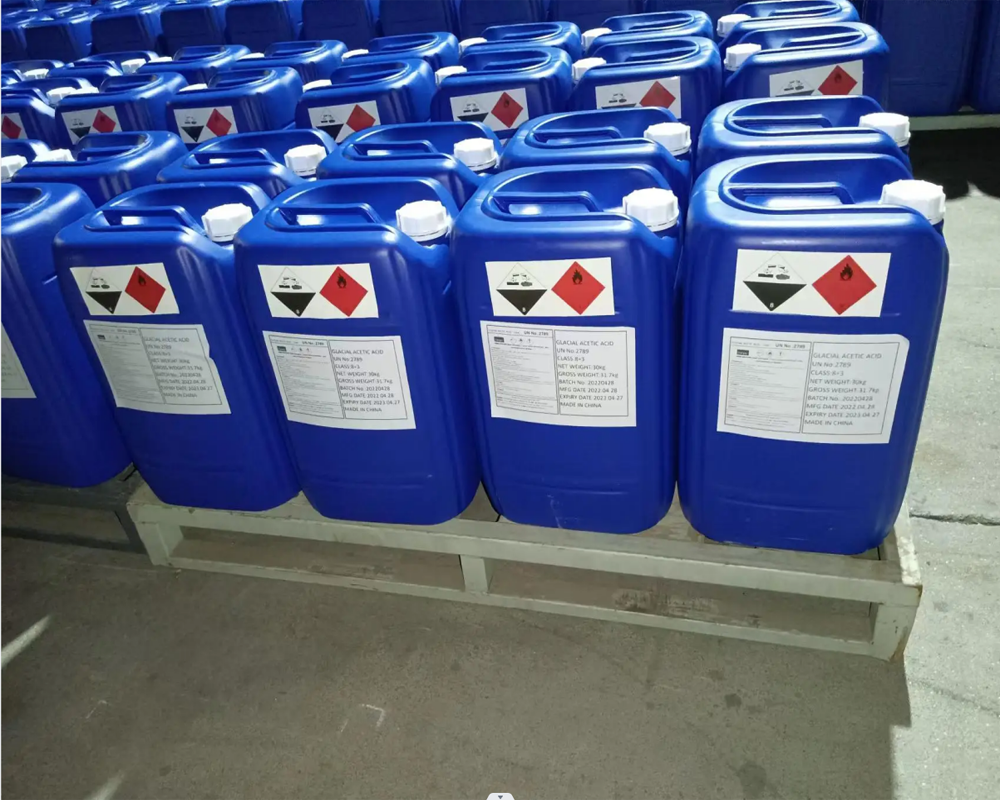
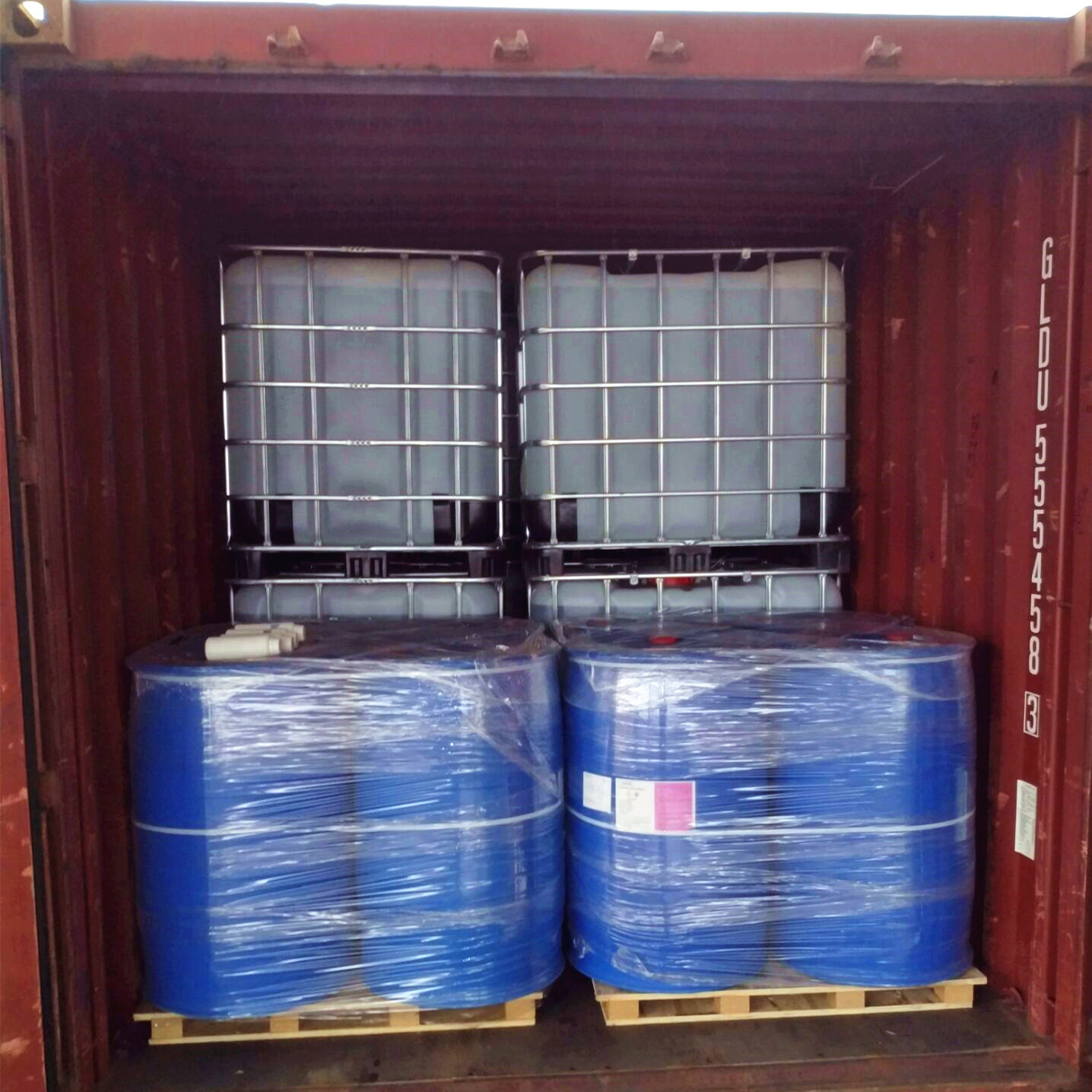
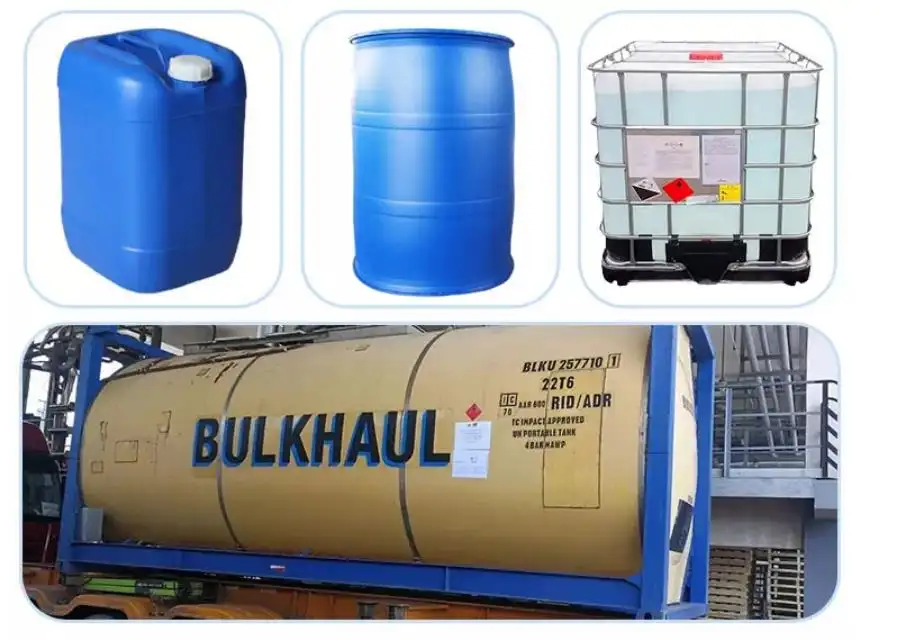
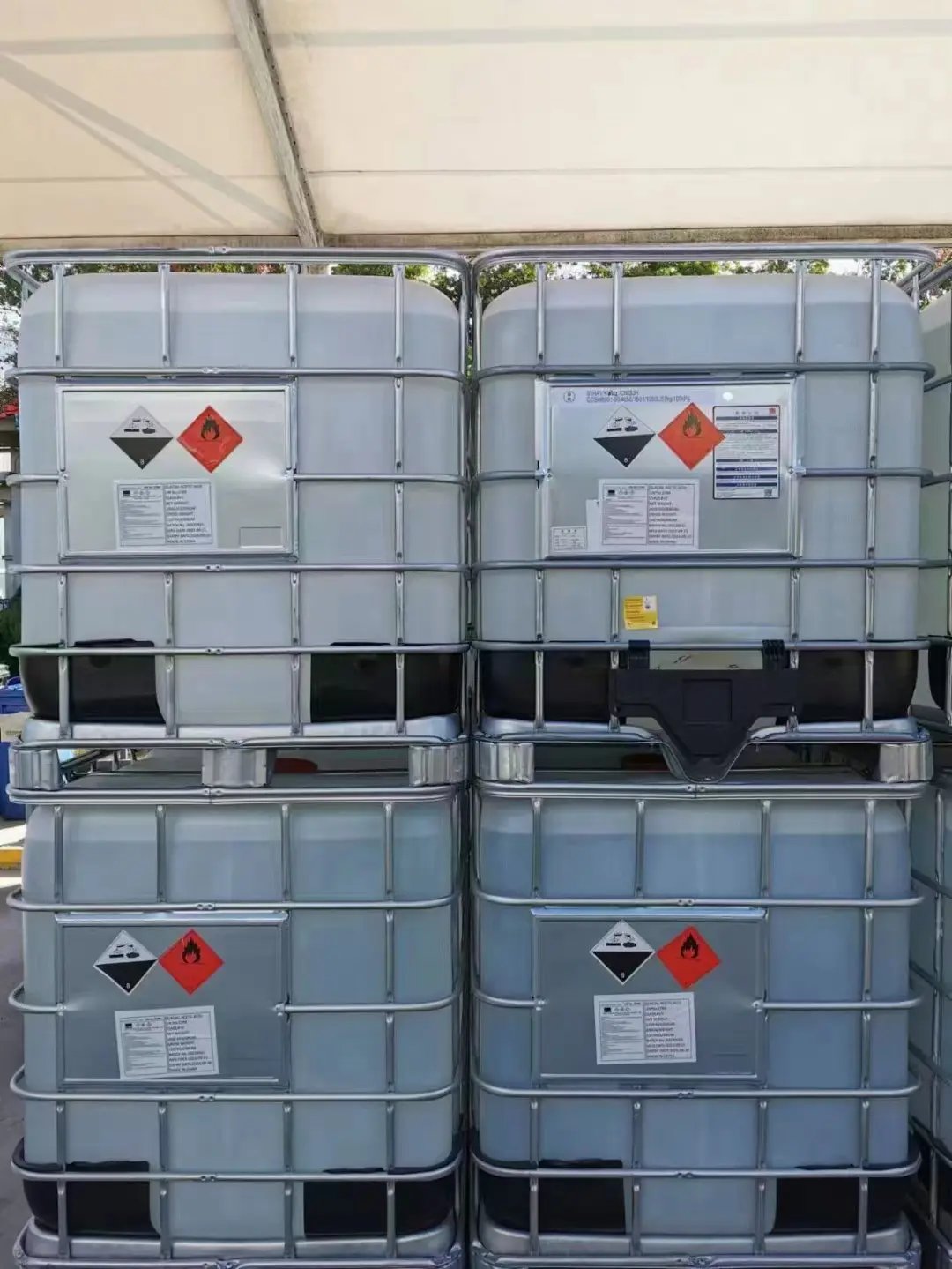
Emballage :30kg/215kg drums

Détails du produit

? Detailed Introduction of Acetic Acid

✔ What is Acetic Acid?

Acide acétique (CH₃COOH)est uncolorless organic acidavec unstrong, pungent odor. It is the main component of vinegar and serves as an essential acidifier, preservative, solvent, and chemical intermediate in various industries.

✔ Numéro CAS et formule chimique :

  • Numéro CAS : 64-19-7

  • Formule chimique : CH₃COOH

✔ Numéro E (additif alimentaire) :

  • E260 (Approved by FDA, EFSA, and other global food safety authorities)


? Applications of Acetic Acid

✔ Food Industry (E260 Additive)

  • Preservative & Acidifier:Amélioreshelf life and tastedepickles, sauces, dressings, and condiments.

  • Vinegar Production: The key component in vinegar (4-8% acetic acid solution).

  • Régulateur de pH : Adjusts acidity in processed foods, baked goods, and beverages.

✔ Applications industrielles

  • Intermédiaire chimique :Utilisé dans la production deacetates, plastics (PET), and synthetic fibers.

  • Solvent: Widely applied in paint, coatings, and adhesivesindustries.

  • Industrie textile :Utilisé dansfabric dyeing and processing.

✔ Pharmaceutical & Cosmetics Industry

  • Antiseptic & Disinfectant:Utilisé danswound cleaning solutions.

  • pH Adjuster:Trouvé danscosmetic formulations like creams, lotions, and shampoos.

✔ Agriculture & Other Applications

  • Herbicide: Acetic acid solutions act as natural weed killers.

  • Rubber & Leather Processing:Utilisé danstanning and rubber coagulation.


Méthode de production et matières premières

✔ Matières premières utilisées :

  • Methanol (Synthetic Process) or Ethanol (Fermentation Process)

✔ Processus de production :

  1. Synthetic Process (Methanol Carbonylation):

  • Reacting methanol with carbon monoxide in the presence of a catalyst to form acetic acid.

  • Biological Fermentation (Vinegar Production):

    • Using Acetobacter bacteria to convert ethanol into acetic acid.


    ? Product Specifications (Food & Industrial Grade)

    PropriétéSpécification
    ApparenceClear, colorless liquid
    Pureté (%)≥ 99.5% (Glacial)
    Densité (g/cm³)1.049
    Point d'ébullition (°C)118
    pH (solution à 1 %)2.4
    SolubilitéComplètement soluble dans l'eau
    Métaux lourds (ppm)≤ 1 ppm
    Conditionnement25kg drums, 200kg drums, IBC tanks
    durée de conservation24 mois

    ? Famous Acetic Acid Brands Worldwide

    • Celanese Corporation (USA)

    • LyondellBasell (Netherlands/USA)

    • Jubilant Life Sciences (India)

    • Wacker Chemie (Germany)

    • Jiangsu Khonor Chemicals Co., Limited (Chine)


    Pourquoi choisir Jiangsu Khonor Chemicals Co., Limited ?

    High-Purity Acetic Acid – Food & Industrial Grade Certified
    Approvisionnement stable et prix compétitifs – Assistance directe du fabricant
    Emballage personnalisé et expédition internationale – Logistique rapide et efficace
    Contrôle qualité et conformité rigoureux – Répond aux normes internationales


    ? Order High-Quality Acetic Acid Today!

    Vous cherchez untrusted supplier of Acetic Acid (E260)? Jiangsu Khonor Chemicals Co., Limitedoffres premiumacide acétiqueavecTarifs dégressifs et livraison internationale.

    ? Contactez-nous dès aujourd'hui pour toute demande de renseignements et de devis !

    Acetic acid is a colorless liquid organic compound with the chemical formula CH3COOH. It is also known as ethanoic acid. Acetic acid is a key component in vinegar, giving it its characteristic sour taste and pungent smell. Here are some key properties and uses of acetic acid:

    1. Formule chimique : CH3COOH

    2. Poids moléculaire : 60.05 g/mol

    3. Physical Properties:

    • It is a clear, colorless liquid.

    • It has a distinctive pungent odor.

    • It is miscible with water.

    • It has a boiling point of around 118.1 °C.

  • Sources:

    • Acetic acid is produced naturally during the fermentation of sugars by acetic acid bacteria. This process is used in the production of vinegar.

    • It can also be synthesized through various chemical processes.

  • Uses:

    • Culinary: Acetic acid is a primary component of vinegar, which is commonly used in cooking and food preparation.

    • Industriel: It is widely used in various industries, including the production of plastics, textiles, and pharmaceuticals.

    • Laboratory: Acetic acid is used in laboratories for various applications, such as a solvent and as a reagent in chemical reactions.

    • Preservation: It is used as a preservative and for pickling certain foods.

  • Chemical Reactions:

    • Acetic acid can undergo various chemical reactions, including esterification and reactions with bases to form acetate salts.


    Description

    Acetic acid, CH3COOH, is a colorless, volatile liquid at ambient temperatures. The pure compound, glacial acetic acid, owes its name to its ice-like crystalline appearance at 15.6°C. As generally supplied, acetic acid is a 6 N aqueous solution (about 36%) or a 1 N solution (about 6%). These or other dilutions are used in adding appropriate amounts of acetic acid to foods. Acetic acid is the characteristic acid of vinegar, its concentration ranging from 3.5 to 5.6%. Acetic acid and acetates are


    Acetic Acid is a common chemical reagent used in a multitude of organic reactions. It is the primary constituent of vinegar, contributing to its distinct taste and odor. It is used in the synthesis of dye-sensitized solar cells.

    Basic Attributes

    60.05200

    60.05

    200-580-7

    29152100

    Caractéristiques

    37.30000

    0.0909

    Liquide transparent

    1.0446 g/cm3 @ Temp: 25 °C

    16.6 °C

    117.9 °C

    104 °F

    n20/D 1.371(lit.)

    Miscible

    Storage Room low temperature ventilation drying ,Separate storage with H Pore forming agent、 oxidizer、caustic soda

    Vapour pressure, kPa at 20°C: 1.5

    2.07 (vs air)

    LD50 in rats (g/kg): 3.53 orally (Smyth)

    Class II Combustible Liquid: Fl.P. at or above 100°F and below 140°F.

    vol% in air: 6.07

    Pungent

    Burning taste

    Aqueous solution 1.0 molar = 2.4; 0.1 molar = 2.9; 0.01 molar = 3.4

    4.76(at 25 °C)


    Laisser un message

    Contactez-nous pour plus d'informations sur les consultations d'application, l'assistance pour les échantillons, les prix FOB, etc. Vous recevrez une réponse dans les 8 heures.
    *ENTREPRISE:
    *NOM:
    *E-MAIL:
    *Téléphone:
    *Message:

    Retour en haut de page